
CNN reported on the 15 "dirtiest" fruits and veggies in regards to pesticides and other harmful materials.
Tests of pesticide levels were conducted after produce was POWER WASHED by the USDA.
That's a whole lotta pesticide if it's not washed off after that. Although I was corrected "Some pesticides are found on the surface of foods, while other pesticides may be taken up through the roots and into the plant and cannot be removed."
"To the extent you can afford to do so, [parents] should simply buy organic, because there have been some very good studies that shows people who eat mostly organic food reduce 95 percent of pesticides [in their body] in two weeks," said Dr. Philip Landrigan, chairman of the department of preventive medicine at Mount Sinai School of Medicine in New York.
"You can reduce your exposure to pesticides by up to 80 percent by buying the organic version of the Dirty Dozen," Rosenthal said.
"Most alarming are the fruits and vegetables dubbed the "Dirty Dozen," which contain 47 to 67 pesticides per serving. These foods are believed to be most susceptible because they have soft skin that tends to absorb more pesticides."
The Dirty Dozen

Celery

Peaches
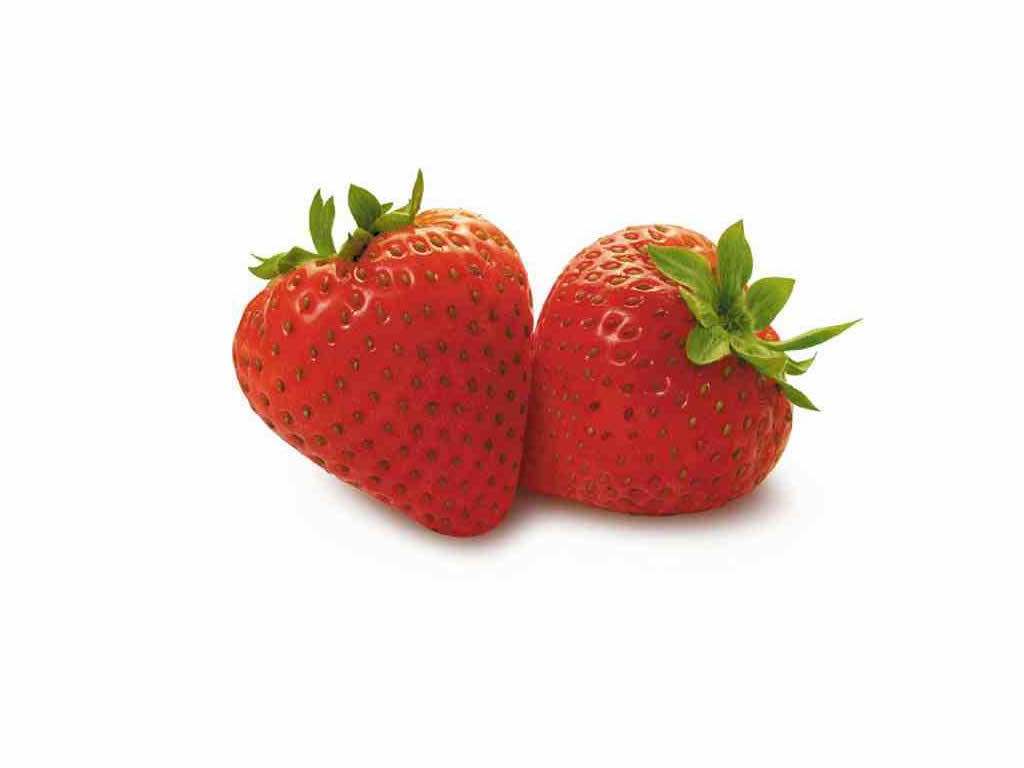
Strawberries

Apples
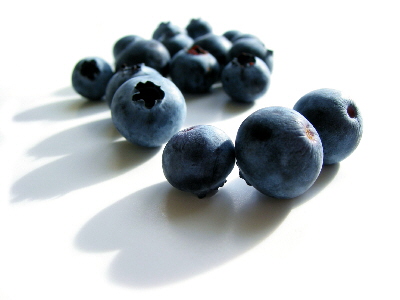
Domestic blueberries

Nectarines

Sweet bell peppers

Spinach, kale and collard greens

Cherries

Potatoes
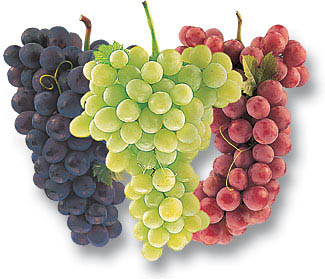
Imported grapes

Lettuce
___________________________________________________________________________With little to no pesticides found in this produce, the Clean 15 passed with flying colors without being organic.
The Clean 15

Onions

Avocados

Sweet corn
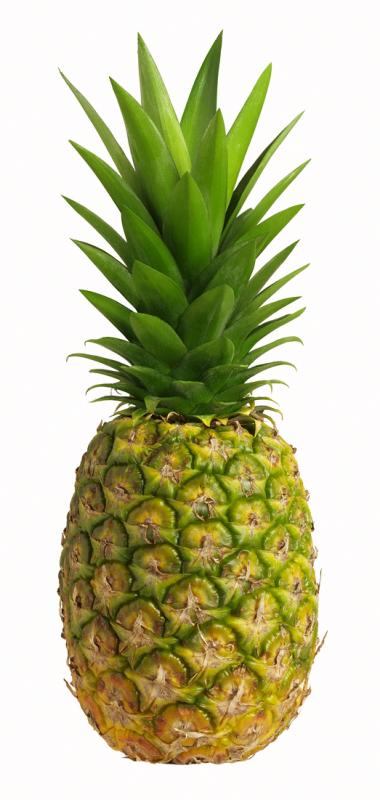
Pineapples
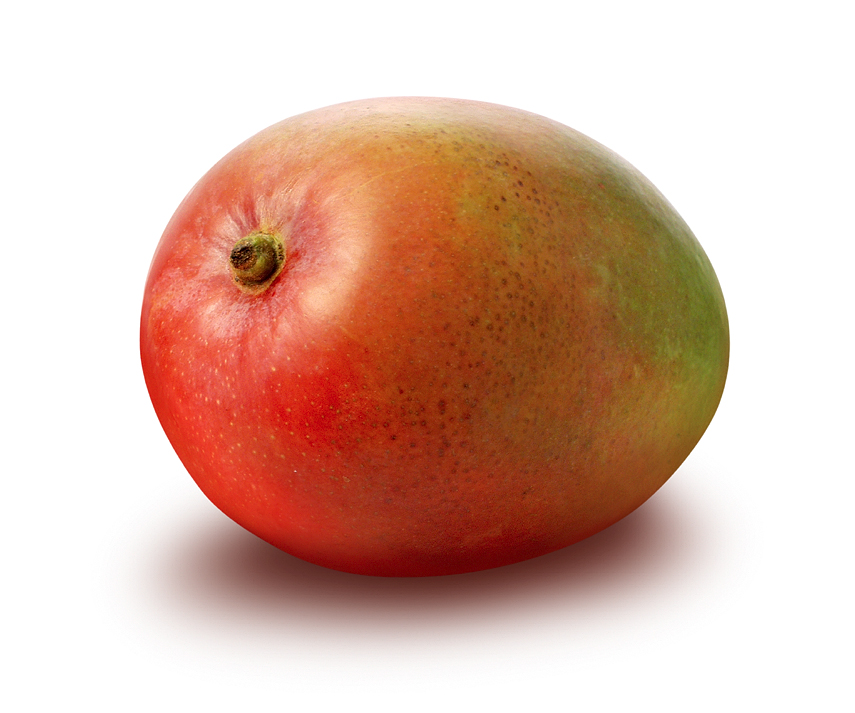
Mango

Sweet peas
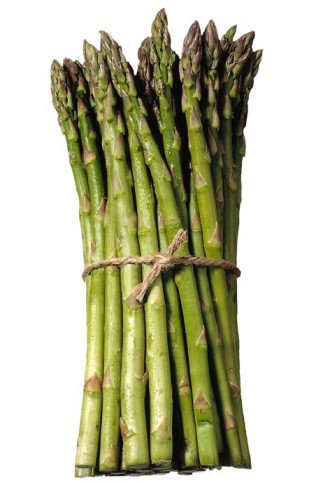
Asparagus
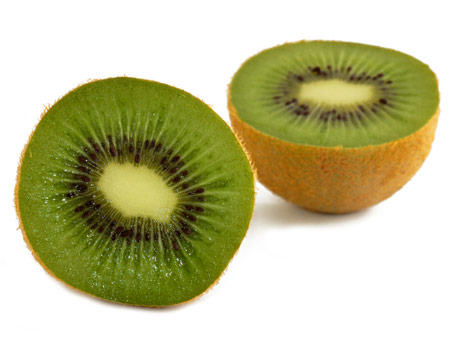
Kiwi fruit

Cabbage
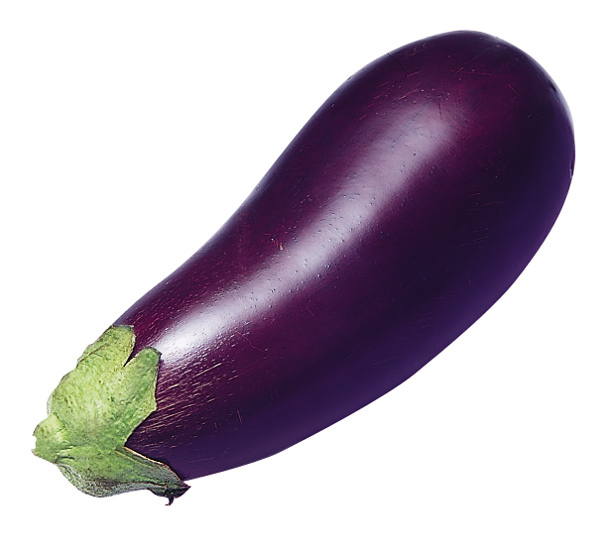
Eggplant
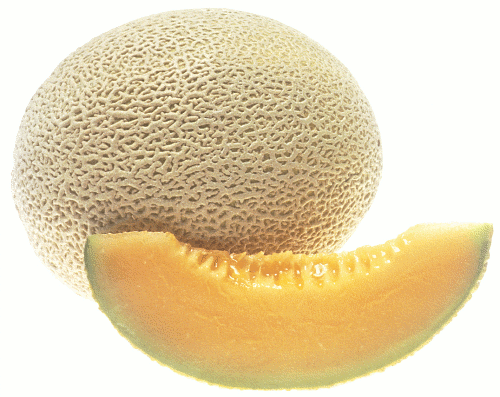
Cantaloupe

Watermelon

Grapefruit

Sweet potatoes

Sweet onions
Fascinating stuff. I'm going to think about this the next time I go to the grocery.


 Posts
Posts


I staerted growing tomoatoes, red peppers, and lettuce so I know what's on 'em...absolutely nothing!
ReplyDeleteSweet! I'm hoping to sprout a few veggies on our porch but you can't do much without soil...
ReplyDelete